What is a quarter?


| Value | Quarter | Converted | Penny |
|---|---|---|---|
| 1 | quarter | 25 | pennys |
| 2 | quarters | 50 | pennys |
| 3 | quarters | 75 | pennys |
| 4 | quarters | 100 | pennys |
| 5 | quarters | 125 | pennys |
| 10 | quarters | 250 | pennys |
| 20 | quarters | 500 | pennys |
| 30 | quarters | 750 | pennys |
| 40 | quarters | 1,000 | pennys |
| 50 | quarters | 1,250 | pennys |
| 100 | quarters | 2,500 | pennys |
| 200 | quarters | 5,000 | pennys |
| 500 | quarters | 12,500 | pennys |
| 1000 | quarters | 25,000 | pennys |
| Coin | Coins Per Roll | Roll Total Value |
|---|---|---|
| Penny (1 cent) | 50 | $0.50 |
| Nickel (5 cents) | 40 | $2.00 |
| Dime (10 cents) | 50 | $5.00 |
| Quarter (25 cents) | 40 | $10.00 |
| Kennedy Half-dollar (50 cents) | 20 | $10.00 |
| Native American One Dollar | 25 | $25.00 |
| Presidential One Dollar | 25 | $25.00 |
To convert quarters to pennys, multiply the number of quarters by 25. For example: 1 quarter = 25 pennys, 10 quarters = 250 pennys, and 100 quarters = 2500 pennys. You can use the calculator above for instant results.
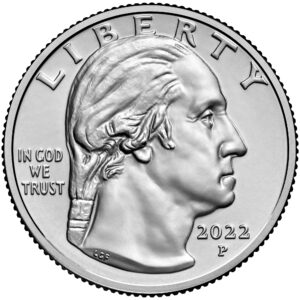
The quarter (25 cents) is special because it's the most widely used coin for transactions and vending machines in the United States. It equals 1/4 of a dollar, hence the name "quarter dollar." The quarter features George Washington and has been in continuous production since 1796. Since 1999, the U.S. Mint has produced special state quarters, national park quarters, and commemorative designs, making quarters highly collectible. Four quarters equal one dollar, and quarters are commonly used in laundromats, parking meters, and arcade games.
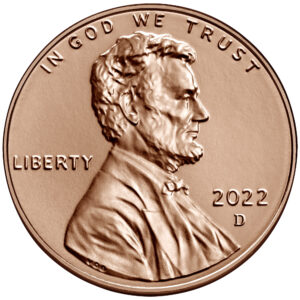
"Penny" is the common name for a one-cent coin, while "cent" is the official denomination (ยข). The plural is "pennies" when referring to multiple coins ("I have five pennies") or "cents" when referring to the value ("This costs five cents"). One penny equals 1/100 of a dollar. The current penny design features Abraham Lincoln and has been in production since 1909, making it one of the longest-running coin designs in U.S. history.
Standard U.S. coin rolls contain specific quantities: 50 pennies ($0.50), 40 nickels ($2.00), 50 dimes ($5.00), 40 quarters ($10.00), 20 half-dollars ($10.00), and 25 dollar coins ($25.00). These standard quantities are used by banks and the Federal Reserve. Coin rolls make it easier to count and transport large amounts of coins. You can purchase empty coin roll wrappers to organize your own coins or exchange rolled coins at most banks.
Modern U.S. coins are made of base metals, not precious metals like they once were. Pennies are 97.5% zinc with a thin copper plating (2.5%). Nickels are 75% copper and 25% nickel. Dimes, quarters, and half-dollars have a pure copper core with outer layers of copper-nickel (91.67% copper, 8.33% nickel overall). Dollar coins are manganese brass. The switch from silver coins happened in 1965 due to rising silver prices. Only pennies minted before 1982 were solid copper, making some old pennies worth more than face value for their metal content.
The penny, nickel, dime, and quarter are the circulating coins that we commonly use today.